Over 100 Cities Turn Off Flock Cameras
Residents in over 100 cities have disabled Flock surveillance systems, proving that local backlash can override permanent infrastructure.
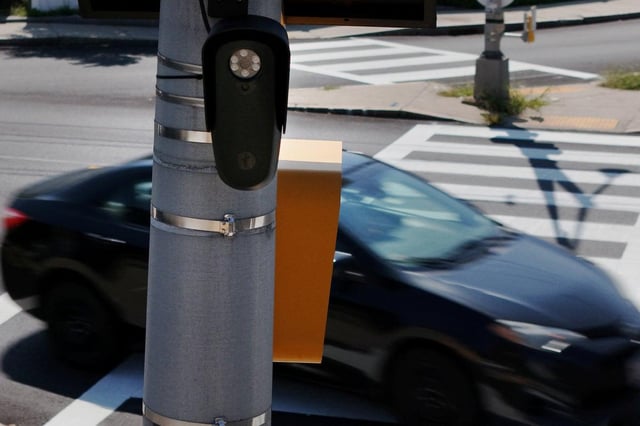
The backlash is working. More than 100 cities across the nation have turned off their Flock cameras following sustained outcry from locals. This isn’t a minor tweak; it is a mass rejection of automated surveillance. When a single city kills a pilot, it’s an experiment. When 100 do it at once, it’s a trend. The fact that this push came from residents rather than federal legislation suggests the public is finally reading the fine print on what these systems actually track.
This matters because it breaks the assumption that surveillance infrastructure is permanent. Once installed, these cameras are often treated as invisible background noise. By forcing a shutdown, these communities have demonstrated that the social contract for public data collection is fragile. It shifts the burden of proof back to the vendors and city managers, who now have to justify the cost and privacy implications of reactivating the systems. It is a rare instance where the default setting—on—was overruled by the users.
I have been watching the local-LLM and edge-computing pile for a while, and this feels like the physical-world equivalent of that debate. We are learning that local control is not just a technical preference, but a political necessity. The cameras are off, but the data pipelines remain. The next fight will be over retention policies, not the lenses themselves.